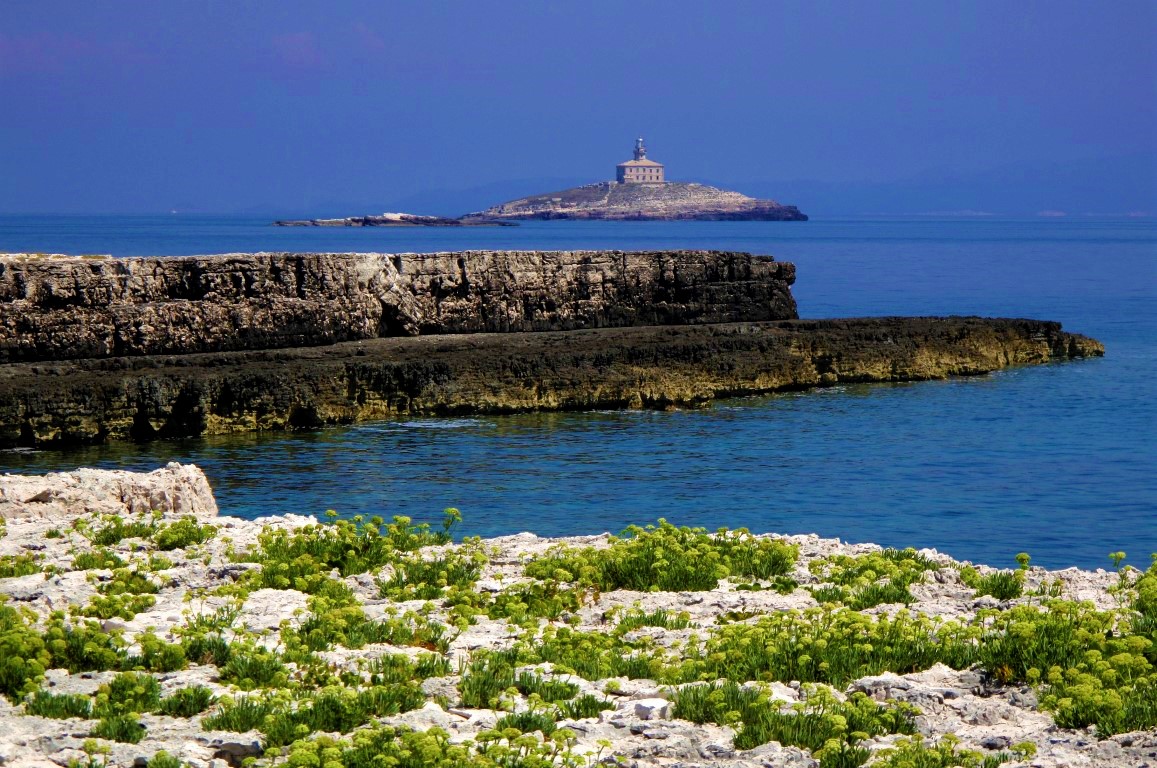
- Eco guide for Adriatic
-
by Ultra Sailing Team
Just by choosing sailing among other forms of nautical tourism, you have made the first step or better yet a first green nautical mile towards preservation of the Adriatic, one of the cleanest and most preserved seas in Europe. Unfortunately, because of the rapid growth of tourism, it is exposed to more and more pollution, so the need arises that all, us as hosts and you as guests, and together as sea lovers, think about preserving the environment and sustainable development of nautical tourism. Croatia does this with laws, and us with responsible behavior. To think green means accepting five main principles in everyday life.
- Reducing pollution
- Saving Earth’s natural resources
- Saving energy
- Reducing consumption and waste
- Keeping Earth’s ecological balance
And thinking green and saving the blue means applying these principles in every day on a boat.

ULTRA SAILING – GO GREEN TIPS
Always respect nature and the environment
Enjoy, but do not damage beauties of the Adriatic. Don’t touch, damage, or take sea organisms from their natural environment. A good photo is also a great souvenir.
Take care of our marine „celebrities“, seals, dolphins, turtles, and all others who mistake our garbage for food, and die as a result.
After being outdoors, pick up after yourself, and keep the environment clean and intact.
Save water. Some Adriatic islands, especially during summer, face water shortages. So be sparing while doing any kind of washing, and when possible use sea water.
Produce less waste
Avoid using plastic on the boat (disposable bottles, bags, cups, plates, and cutlery..) Use linen or reusable bags, linen kitchen cloths instead of paper towels, and biodegradable toilet paper.
Get your groceries with less packaging, or completely without it. Choose biodegradable packaging.
Instead of buying more bottles of water, choose one large, and instead of getting plastic cups, get a souvenir cup for each crew member. This way you reduce plastic use, and your carbon footprint.
And finally, reduce waste on the boat in any way.

Reduce your carbon footprint
* Carbon footprint it is a measure of the total emission of glasshouse gases which is directly or indirectly produced by an individual, product, company, or event.
Save energy. Sail as much as you can. The wind is your ecological and economical ally. If you do use the engine, drive with a speed that is optimal in regards to fuel consumption. Instead of air conditioning, use natural ventilation and by this reduce generator use and unnecessary pollution.
Avoid using jet skis and speed boats, which in addition to high fuel consumption, make noise pollution, and disrupt peace. Instead, do a bit of snorkeling, stand up paddling, kayaking, or just swim, and enjoy.
Buy green
Think about your shopping and buy products that are environmentally friendly. Buy ecological cleaning agents, and use them rationally as sooner or later they end up in the sea. Clean sea water will do sometimes, even.
Try buying local, home grown food. Avoid imported goods as their transport makes huge carbon footprints. Croatian tap water is potable so there is no need to buy bottled water.

Responsibly dispose of waste
Don’t throw garbage, including food, in the sea. According to the MARPOL Convention (73/78), leftover food can be thrown overboard only at a distance of no less than 12 nautical miles from the nearest land. Besides, our food can be bad for fish and other marine animals, as it changes their dietary habits, the balance of nutrients, and disrupts relationships between predator and prey.
During navigation, clear everything from the deck that can end up overboard, as it automatically becomes waste and is a potential danger to marine organisms. Don’t throw cigarette buds in the sea, as it takes about 5 years for them to decompose. Don’t be fooled by their small appearance.
Dispose of waste only in places intended for this.
Recycling bins (glass, plastic, paper..) are to be used accordingly.
Don’t empty your holding tank near land.
According to MARPOL convention (73/78) holding tank waters can be released only at outer sea, 3 nautical miles from land, at a 5-knot speed, at a more than 12 nautical miles distance from nearest land at minimum 4 knots, and in international waters.
Refuel carefully. By knowing fuel tank capacity, you can avoid fuel leaking in the sea. Fill up to only 90%, to leave the room if it expands.
If it comes to leaking, spray some ecological dishwashing detergent on it.

Ultra’s green code
- I will respect nature and the environment in every way.
- I will not throw garbage in the sea, or onshore.
- I will not dispose of holding tank waters near shore, or in sensitive and protected areas.
- I will not pollute the sea with poisonous or toxic waste (oil, paint, used batteries, cleaning agents..); all this will be properly disposed of in the marinas.
- I will promote and use recycling bins (paper, plastic, glass….)
- I will use environmentally friendly paints, coating, detergents, and other products.
- I will use renewable energy sources.
- I will report to authorities any pollution and other examples of environmental law-breaking.
- I will abide by the laws of fishing
- I will protect marine plants and animals
- I will respect the sensitivity of protected parts of nature
- I will be careful not to damage the sea bottom, e.g. while anchoring
- I will not buy or use artifacts made from protected species or from underwater archeological findings
- I will encourage other boaters to protect the environment
This text is protected by Copyright. Without the express written consent of the copyright holders reproduction; distribution, modification, re-transmission, or publication of the Copyrighted material is strictly prohibited and it constitutes as a crime according to the Criminal Law of the Republic of Croatia, as well as it is the foundation for the process of compensation in accordance with applicable regulations of the Croatian Law.

